

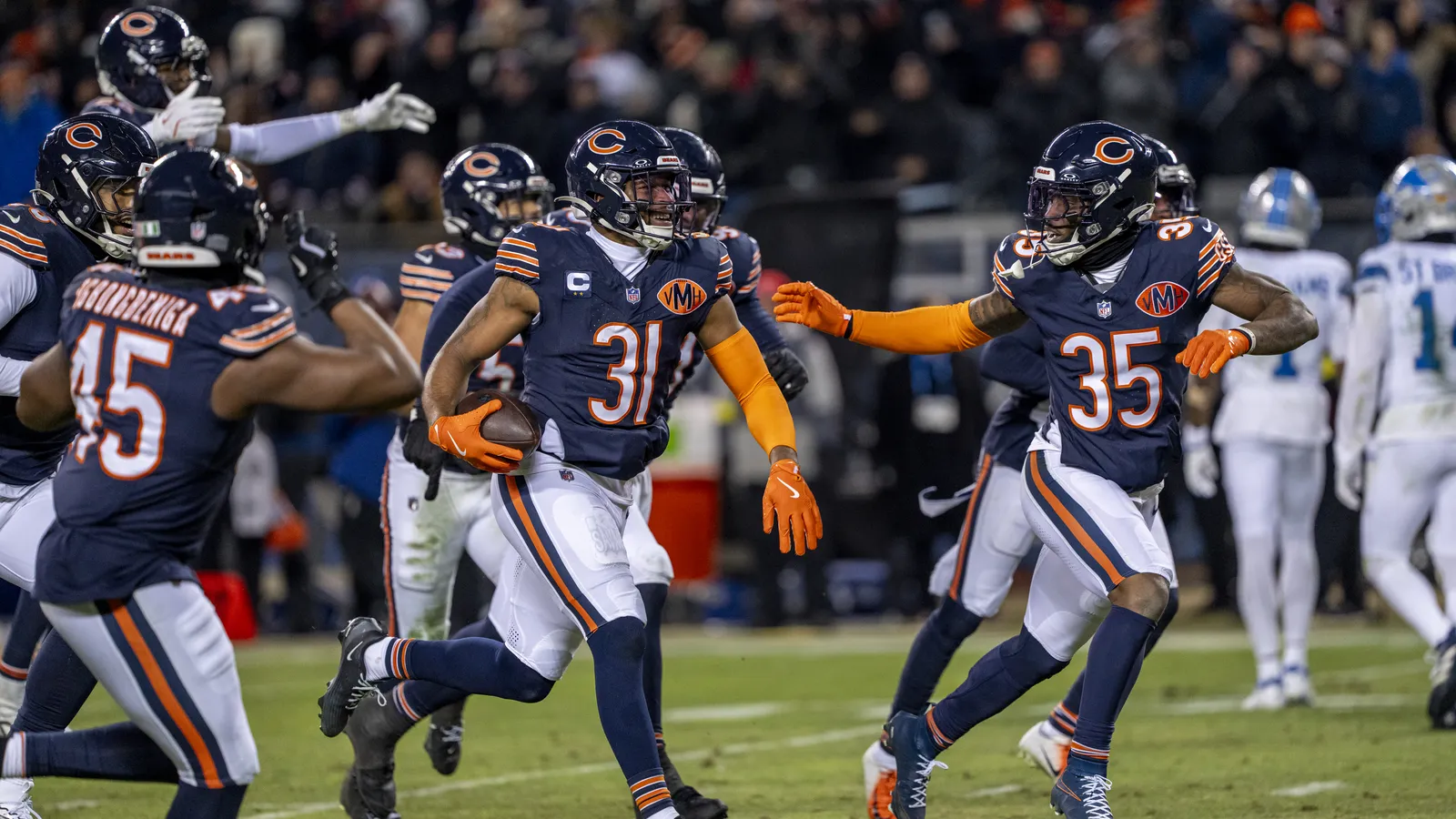
Chicago Bears nation has been locked in one of the most consequential off-field battles in recent NFL history — not about roster moves or draft picks, but about where the team will play its home games for the next generation. With a new stadium funding bill passing in Indiana, the Bears-city relationship has entered a new chapter, and the implications stretch far beyond football.
Here’s a complete, factual breakdown of the situation, why it matters, and what it means for both the Bears and the city of Chicago.
The Stadium Dilemma: Long in the Making
For decades, the Bears played at iconic Soldier Field, one of the oldest stadiums in the NFL. While beloved, it has long faced criticism for limited revenue potential, outdated facilities, and high maintenance costs. Owners have argued that a modern, revenue-generating stadium is necessary to compete financially in today’s NFL.
Various proposals in Illinois — including public-private partnerships — were discussed for years, but nothing ever secured full legislative support.
That impasse set the stage for neighboring states, particularly Indiana, to make their move.
Indiana Lawmakers Pass Stadium Support Bill
In February 2026, lawmakers in Indiana passed legislation aimed at facilitating construction of a new stadium for the Chicago Bears near Hammond, Indiana, specifically in the Wolf Lake area just across the Illinois-Indiana border. The key elements include:
- Creation of a stadium authority empowered to issue bonds and negotiate development deals for a professional stadium.
- Tools that make it easier for outside investors and municipal partners to contribute public and private funding.
- A political statement that Indiana is open for business and ready to host the Bears if the team chooses to pursue the development path.
This move was significant because it marked the first time a neighboring state passed legislation expressly aimed at attracting an NFL franchise’s stadium project — a strategy long discussed around Chicago but never formalized until now.
Why Hammond and Wolf Lake?
The Hammond, Indiana location — near the Indiana-Illinois state line — presents strategic advantages:
- Close proximity to Chicago’s population center (about 20–30 minutes from the city).
- Large parcels of underdeveloped land around Wolf Lake suitable for a stadium and surrounding infrastructure (entertainment, parking, hotels).
- Potentially lower tax burdens and a friendlier development climate compared to some Illinois jurisdictions.
Indiana officials have pitched this as a regional opportunity, not just a city relocation — framing it as a boost to the entire Chicago metropolitan area.
Chicago’s Reaction: Officials and Citizens Respond
Not surprisingly, the reaction from Chicago has been mixed — ranging from outrage to weary resignation.
City Leaders Push Back
Chicago Mayor Brandon Johnson and several Illinois lawmakers criticized the move, emphasizing:
- Soldier Field’s historical significance
- Chicago’s tourism and economic ecosystem that benefits from NFL game days
- The idea that losing an NFL franchise would be a cultural blow to the city
At least one state legislative committee in Illinois had been considering stadium proposals for some time — and in a controversial turn, a key hearing was abruptly canceled by Illinois lawmakers just before Indiana passed its bill. That fueled accusations that political maneuvering stalled Chicago’s own solutions and ceded the initiative to Indiana. (the-sun.com)
Residents Weigh In
Among fans, the responses vary widely:
- Bears fans who want a modern stadium see the Indiana plan as practical and long overdue.
- Traditionalists argue that Soldier Field is a core part of Chicago’s identity.
- Some locals worry that job growth and infrastructure investment could shift south across the state line.
This isn’t just a stadium debate — it’s a community identity discussion.
Economics and Competition: Why It Matters
For the Bears, a new stadium offers serious financial incentives:
- Increased luxury seating and premium space that drives revenue
- Modern amenities that attract year-round events
- Higher local tax incentives and development partnerships
Across the NFL, franchises increasingly seek state-of-the-art facilities to maximize revenue and competitiveness.
Indiana’s willingness to negotiate bonds and infrastructure incentives tells the Bears that another state is ready to support them financially — something Illinois never fully delivered.
What’s Next?
At this point, the Bears have not officially committed to moving. The Indiana bill simply creates the legal framework — it does not finalize a deal.
The next steps likely include:
- Formal feasibility studies for Wolf Lake development
- Negotiations between Bears ownership and Indiana authorities
- Potential counteroffers from Illinois or the city of Chicago
- Community and environmental impact assessments
For Bears fans, the situation remains fluid — but the momentum appears to have shifted toward a potential move outside Chicago’s city limits.
Final Thoughts: A Franchise at a Crossroads
What’s happening with the Chicago Bears isn’t just a stadium fight — it’s a reflection of how modern sports franchises operate in a competitive economic landscape.
The Bears are no longer just a local team. They’re a business with regional and national implications, trying to balance:
- Team identity
- Fan loyalty
- Stadium economics
- Political realities
Whether the Bears stay in Chicago proper or build a new home in Indiana, one thing is clear:
This decision will define the franchise’s future for decades — financially, culturally, and in the hearts of its fans.
And for the cities involved, it’s a reminder that in 21st-century sport, stadiums are more than places to play — they’re symbols of community pride, economic power, and civic identity.